


Mon-Sun: 9:00-19:00

 Order a call

Dental prosthetics in Kyiv
Tooth prosthetics is the restoration of damaged or lost teeth using orthopedic structures. Its purpose is to restore full chewing function, maintain bite stability, and recreate the natural appearance of the dental arch.
Dental prostheses can replace a part of a destroyed tooth, a single lost unit, several teeth, or an entire arch. The common term "false teeth" most often refers to removable structures, although modern orthopedic dentistry offers significantly more options.
Types of Dental Prosthetics at Dobrobut Dental Clinic
Dental prosthetics at Dobrobut Dental Clinic are planned considering the condition of the teeth, roots, and gums, occlusion, the volume of bone tissue, and aesthetic expectations. Main services include:
- Implant-supported prosthetics. A crown, bridge, or full structure is fixed onto implants, which serve as supports.
- Ceramic crowns and inlays. A crown fully covers a significantly weakened tooth, while an inlay or overlay restores only the damaged part.
- Ceramic veneers. Thin overlays are used to correct the shape, shade, small chips, and gaps between front teeth.
- Bridging structures. A bridge replaces one or several missing teeth and relies on adjacent teeth or implants.
- Aesthetic smile reconstruction. It allows for comprehensive restoration of functionality and appearance of the dental arch.
To understand the types of dental prosthetics, one must consider not only the material. The structures are classified as removable and non-removable, and also distinguished by the type of support: on natural teeth, mucous membranes, or implants. Dental prosthetics should not be compared solely by price.
Non-removable Prosthetics: Crowns, Bridges, and Veneers
Non-removable structures are fixed by the doctor, and the patient does not remove them independently. This group includes crowns, bridge prosthetics, veneers, inlays, and overlays.
A crown is used when a tooth is significantly destroyed, weakened by a large filling, crack, or root canal treatment. A bridge can replace a missing unit when reliable supports are present. Veneers correct the aesthetics of front teeth, while inlays and overlays restore specific areas.
Removable Prosthetics: Partial, Nylon, and Acrylic Prosthetics
- Acrylic prosthetics: The classic and most accessible option made of plastic. They can be complete (when all teeth are missing) or partial. They are lightweight but can be brittle and require periodic replacement or adjustment.
- Partial dentures: Structures with a robust metal arc base. They evenly distribute chewing load and are securely fixed with hooks (clasps) or attachments. They are used when at least 6 stable supporting natural teeth are preserved.
- Nylon prosthetics: Soft and flexible products made of elastic material. They are hypoallergenic, aesthetically pleasing, and comfortable, but due to their softness, they may lead to bone tissue atrophy more quickly.
When a patient compares types of removable teeth, it usually refers specifically to removable structures. Under appropriate conditions, bridges or prosthetics supported by implants can serve as alternatives.
Implant-Supported Prosthetics for Complete Tooth Loss
In complete edentulousness, the prosthetic can be removable or non-removable and rely on several implants. Implantation creates supports, while the orthopedic structure restores the dental arch, occlusal height, and chewing surface.
The cost of complete dental prosthetics depends on the number of implants, the need for bone grafting, the material of the structure, the method of fixation, and the extent of diagnostics.
When It Is Necessary to Place a Dental Prosthetic
Prosthetics are necessary when there is insufficient natural tissue for reliable restoration with a filling or when one or several teeth are already missing. Main indications include:
- Significant destruction of the crown;
- Cracks, severe wear, or large old fillings;
- Absence of one, several, or all teeth;
- Defects in shape, color, or proportions;
- Chewing or diction disturbances;
- The need to restore occlusal height.
After tooth loss, neighboring units may tilt toward the defect, while the opposing tooth shifts due to lack of contact. This changes the load distribution and may complicate further restoration. In cases of tooth wear, jaw pain, clicking, or muscle tension, diagnostics in the field of gnathology may be required to assess occlusion and the functioning of the TMJ.
Patients often describe their goal as wanting to "make teeth," but this phrase can encompass various tasks, from a single crown to a complete jaw reconstruction.
Materials: Ceramic, Zirconium
The material is chosen based on the location of the tooth, load, color of the support, and aesthetic requirements. There is no universal solution for all cases.
E-max ceramic conveys the transparency of natural enamel well and is often used for veneers, inlays, overlays, and individual crowns. Zirconium dioxide combines strength with a natural appearance and is used for crowns and bridge prosthetics. Steps in prosthetics: from diagnostics to installation
Prosthetics begin with planning the future structure. Typically, treatment includes:
- A consultation with a dental orthopedist, examination of the teeth, gums, and occlusion;
- A photographic protocol, digital scanning, x-rays, and if indicated—computed tomography;
- Sanitation of the oral cavity: treatment of caries, canals, and gums;
- Preparation of supporting teeth or installation of implants according to a separate surgical plan;
- Waiting for osteointegration after implantation if required by the protocol;
- Obtaining digital or traditional impressions and recording the occlusion;
- Installation of temporary constructions if necessary;
- Fitting, checking contacts, color, and shape;
- Fixation of the permanent structure and follow-up examination.
In complex reconstructions, the position of the crowns is coordinated with the movements of the lower jaw to avoid overload.
Caring for Prosthetics and Their Lifespan
The lifespan depends on the material, accuracy of fit, occlusion, hygiene, condition of the supporting teeth and gums, and the presence of bruxism.
Crowns, veneers, and bridges are cleaned twice a day, paying attention to the edge near the gums. For the spaces under bridges and around implants, interdental brushes, super floss, or an irrigator may be needed. Removable prosthetics are cleaned with a separate brush and recommended cleaners; hot water can deform some materials.
With proper care, modern crowns can last 8–10 years or longer; however, the lifespan depends on the material, occlusion, hygiene, and condition of the supporting tooth.
Make an appointment
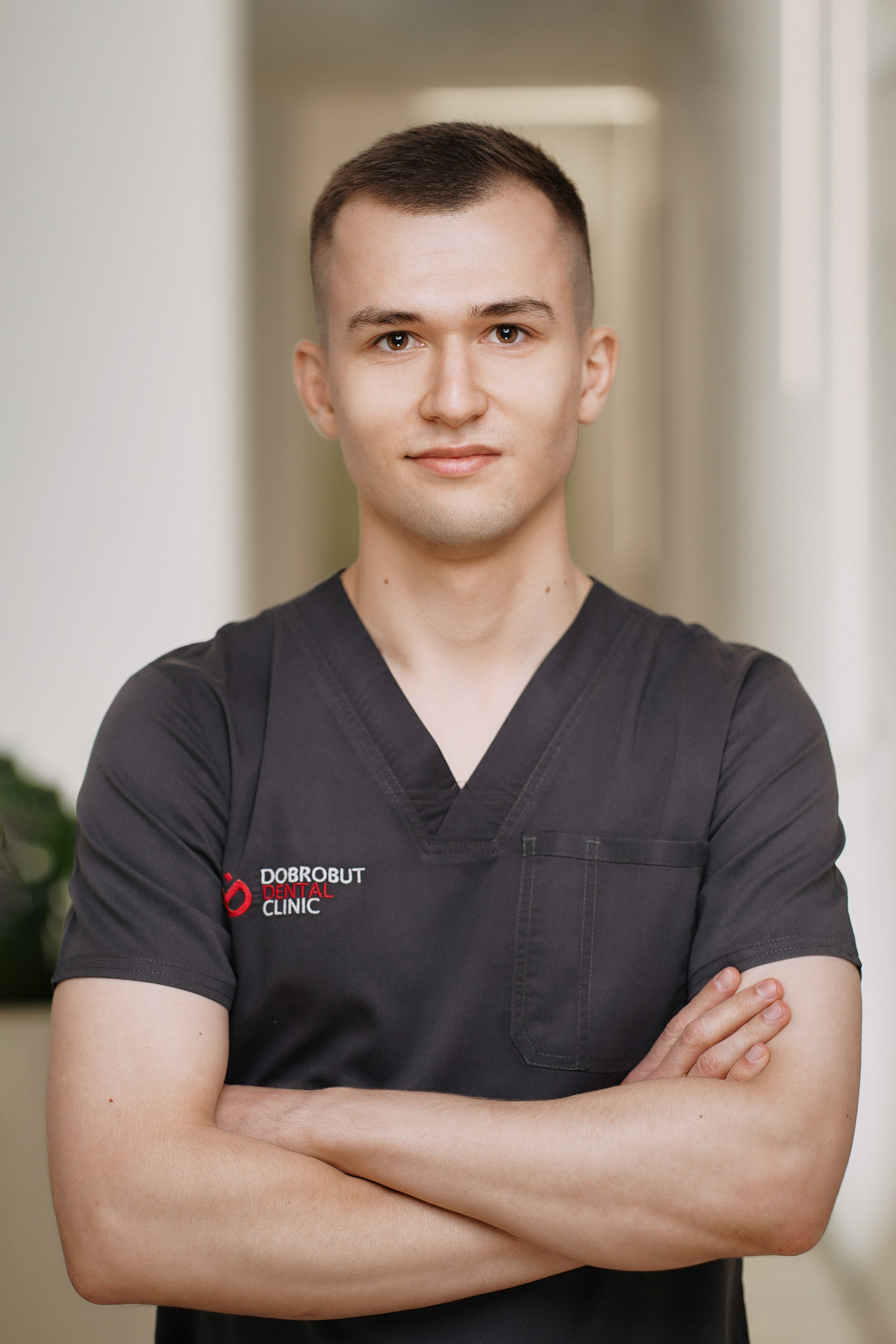
Doctors providing services:


Answers to popular questions
- The choice depends on the number of missing teeth, the condition of the supports, the volume of bone, the bite, hygiene capabilities, and the budget. Fixed structures are attached to teeth or implants, while removable ones may be appropriate in cases of multiple or complete edentulism.
- No, a healthy tooth does not need to be automatically depulped. Root canal treatment is performed based on indications: in cases of pulpitis, periodontitis, significant destruction, or in any other situation where it is impossible to preserve the viability of the pulp.
- Teeth near the defect may shift and tilt, and the load may be redistributed. The consequences depend on the location of the defect, the number of lost teeth, and the initial state of the bite.
- Non-removable crowns or bridges often require a few days to adapt. Getting used to removable dentures usually takes longer. If pain, irritation, or the feeling of an elevated bite does not decrease, adjustment is necessary.
- The duration depends on the material, load, condition of the supporting tooth, and daily hygiene. It is necessary to brush your teeth twice a day, take care of the interdental spaces, undergo professional hygiene and check-ups, and use a protective night guard for bruxism if needed. At Dobrobut Dental Clinic, the prosthetic plan is created after diagnostics and assessment of the future load. This allows for the selection of the structure, material, and method of fixation according to the condition of the teeth, gums, and bite.
Make an appointment
Fill out the form below and we will call you back in the near future!
Address of the Ophthalmology Center
56 Povitrianykh Syl Avenue, Kyiv
Working time: Mon-Sun: 9:00-19:00
16-V Volodymyra Ivasiuka Ave (Heroiv Stalingrada), Kyiv
Working time: Mon-Sun: 9:00-19:00
14-16 Mykoly Mikhnovskoho Blvd (Druzhby Narodiv), Kyiv
Working time: Mon-Sun: 9:00-19:00
12-A Mykoly Bazhana Ave, Kyiv
Working time: Mon-Sun: 9:00-19:00
40 Antonovycha St, Kyiv
Working time: Temporarily closed